William Walton, A Litany (Drop, slow tears) (2026)
Josef Rheinberger, Abendlied (2026)
Margaret Vardell Sandresky, L’homme armé Organ Mass (2025)
Spatial Organ Recordings (2024 - Ongoing)
Height Layer Comparison (2024)

Binaural Objects (2024)
The Carnival of the Animals Project (2022 - 2023)
Kian Ravaei, Feeling New Strength (2022)
(#) William Walton, A Litany (Drop, slow tears) (2026)
Audio Engineer
Live recordings of classical music in large, reverberant spaces often pose issues for audio engineers, and a large part of the job entails identifying and solving these issues as transparently as possible. Chatter, coughs, jewelry, page turns, air handling - these all firmly affect the performance, often to the detriment of the recording, yet are usually unavoidable.
The post-processing this recording was subjected to includes painstaking removal of clicks (such as boots on the marble floor), squeaking door hinges, room noise, clangy jewelry, and more, maintaining care to preserve every quality of the performance.
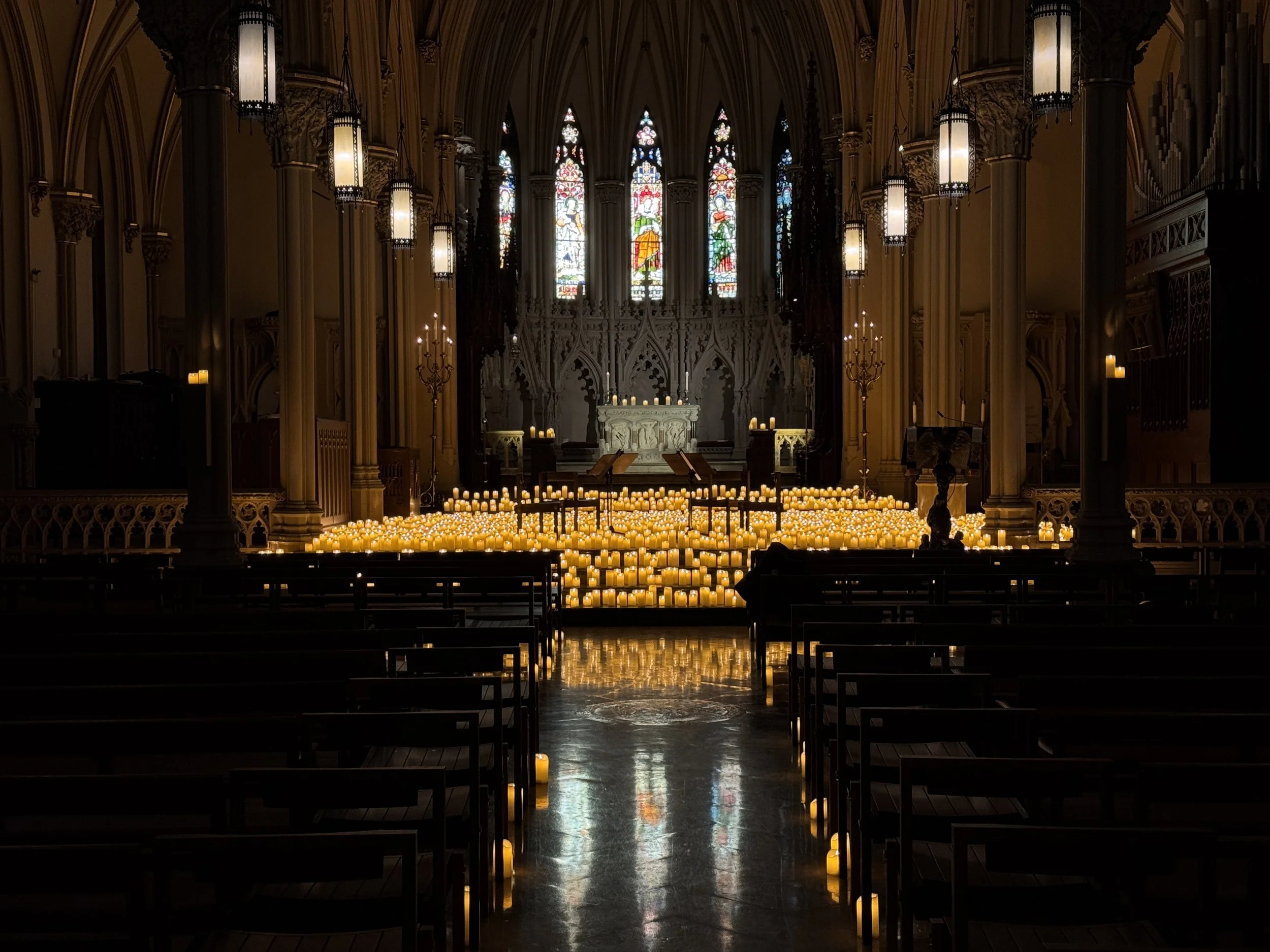
Provided here is a live stereo recording of William Walton’s A Litany, performed by the Cathedral of the Incarnation choir, led by Canon Martin Green on March 1st, 2026.
(#) Josef Rheinberger, Abendlied (2026)
Audio Engineer
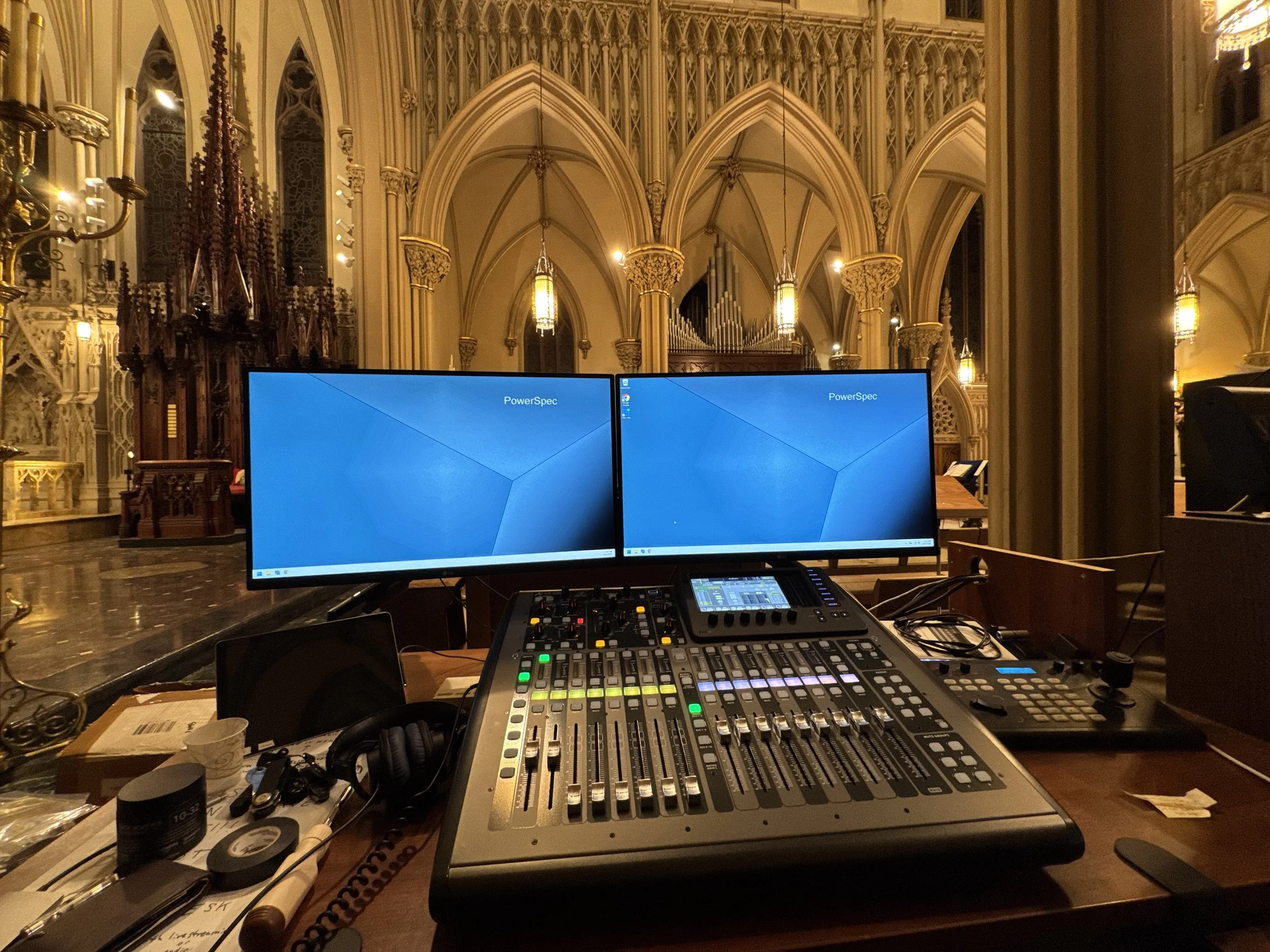
From the beginning of my tenure as the audio engineer at the Cathedral of the Incarnation, I strongly pushed to install an audio system capable of CD-/release-quality recordings at the push of a button. Here was this absolutely gorgeous sounding building with world-class performances held every single week, and it was a shame that the monophonic recording system couldn’t capture such a unique sound.
However, after nearly 4 years, many project and grant proposals, and countless sleepless nights (with the support of key liturgical members who believe I have my head on straight), our goal was met.
Provided here is a live stereo recording of Josef Rheinberger’s Abendlied, recorded completely in-house, performed by the Cathedral of the Incarnation choir in front of the narthex, led by Canon Martin Green on March 1st, 2026.
(#) Margaret Vardell Sandresky, L’homme armé Organ Mass (2025)
Audio Engineer
One of the most unique aspects of ambisonics recording techniques is versatility. In immersive/spatial productions, ambisonics’s role is relatively obvious and very effective. In traditional stereo productions, however, ambisonics microphones can positively trounce standard microphones in terms of adaptability. But why is this, and how does this highlight the fundamental difference in the expected listener experience between these two production paradigms? [read more]
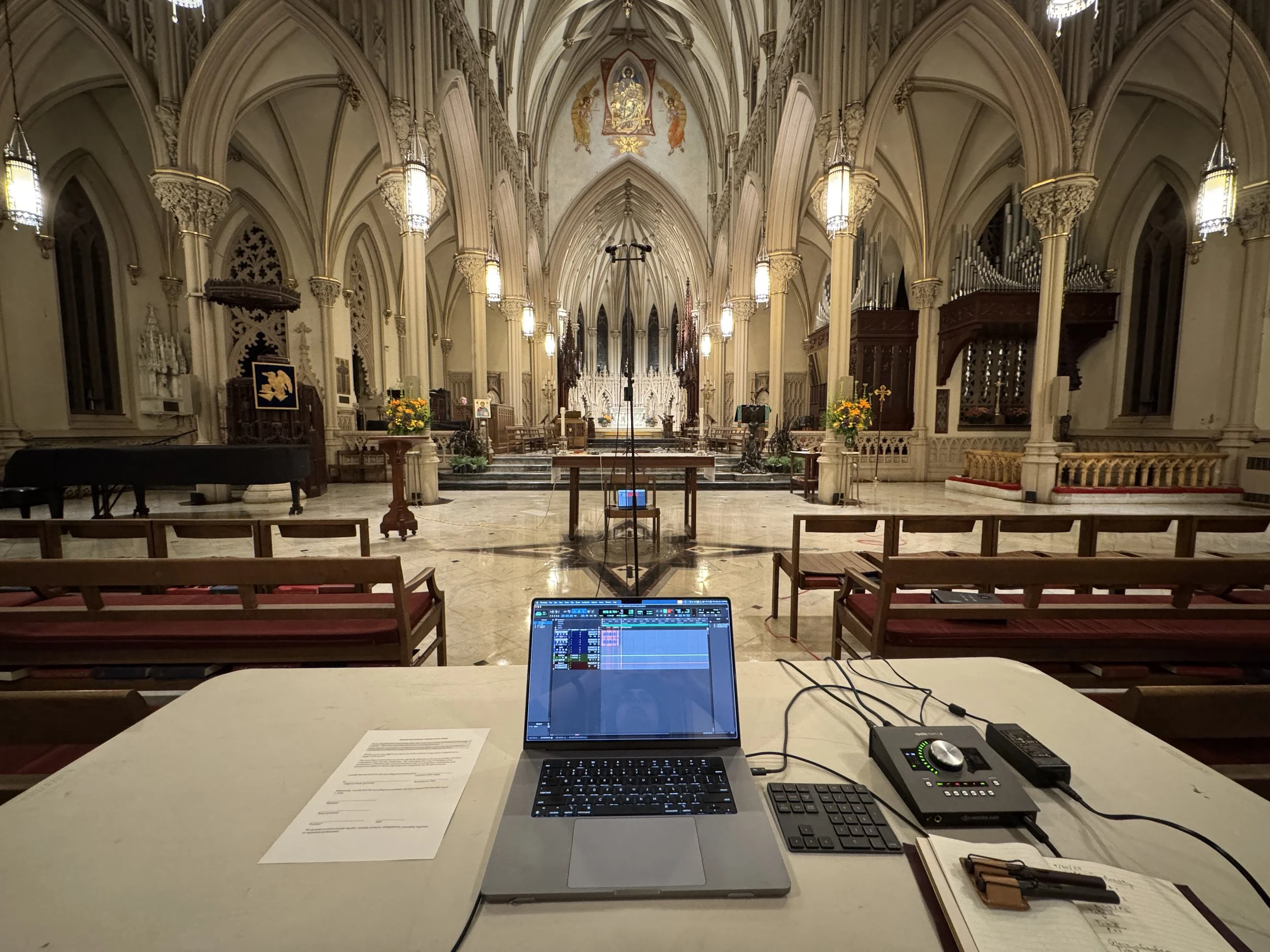
Provided here is a stereo recording of “Gloria” from Margaret Vardell Sandresky’s L’homme armé Organ Mass, recorded with a first-order ambisonics microphone and an NOS stereo pair, performed by David Preston.
(#) Spatial Organ Recordings (2024 - Ongoing)
Audio Engineer, Lead Investigator, Lead Author
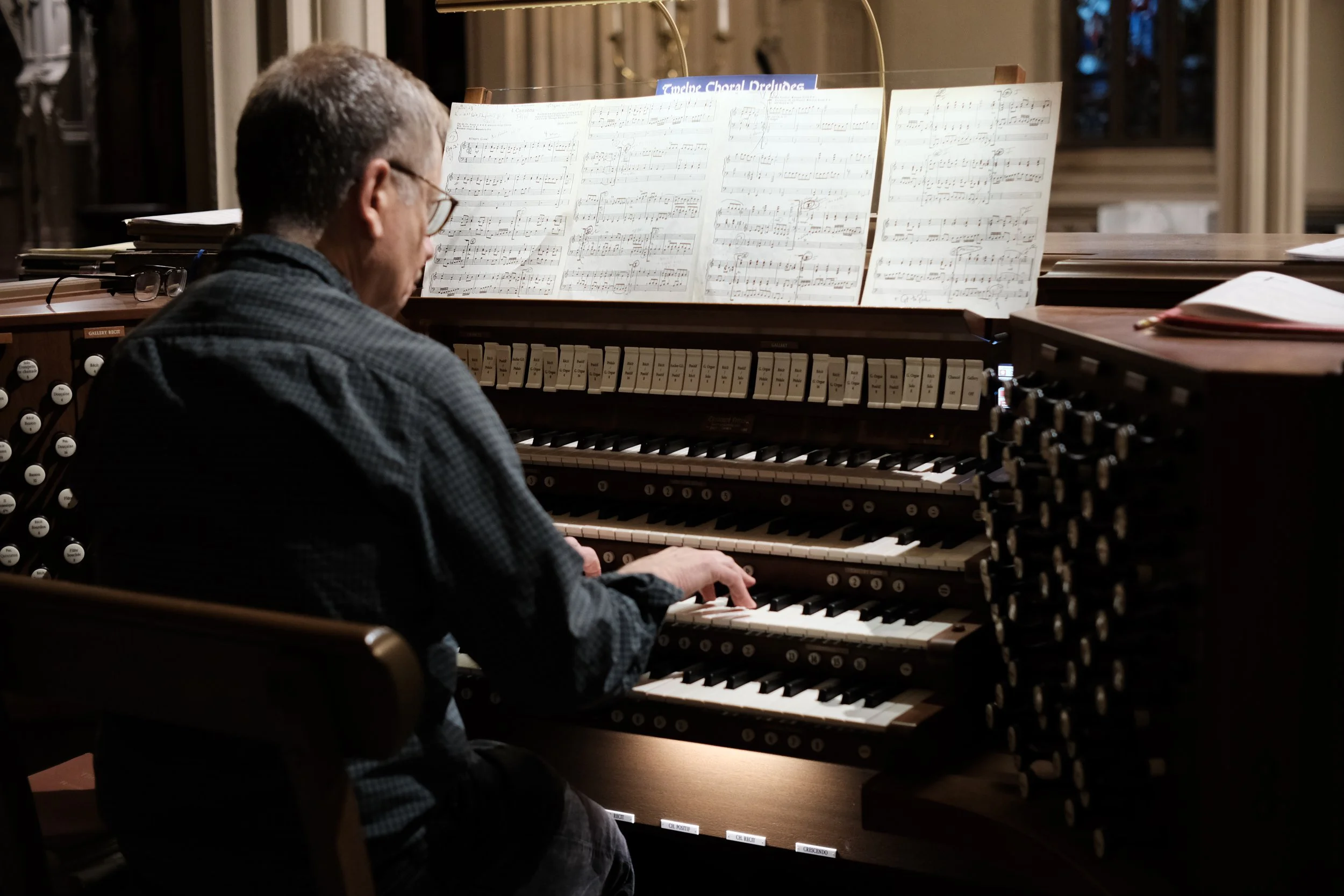
Within stereo classical music recording, specialized techniques for the organ have largely been relegated to footnotes or appendices in the face of more accessible instruments and ensembles. As immersive recording techniques for classical music continue to develop, little convention has been established regarding immersive organ recording techniques. Furthermore, a significant portion of the organ repertoire does not exist in any sound recorded form at all, and risks being lost or forgotten over time. Pipe organs already face numerous threats to their existence, including decreased attendance to houses of worship, under-funding, improper restoration, and electronic substitutes.
While the organ repertoire is vast, experiencing that repertoire in a form similar to that intended by the composer is often inconvenient, as stereo recordings frequently don’t provide a deep level of psychoacoustic immersion, and in-person experiences are realistically limited to those located within a convenient distance of a house of worship with a skilled organist willing to learn and perform said repertoire.
This project aims to open the door for expanded conversation around establishing best practices and techniques for recording and reproducing pipe organ music in an effort to both preserve the unique medium and broaden its appeal and accessibility to a wider audience through an immersive environment.
This publication (presented at the 157th Audio Engineering Society Convention) may be found here. An ambisonics & accompanying 360º video recording of Schumann’s Prelude & Fugue in D minor Op. 16, No. 3 is provided on this page.
Please be aware that spatial audio in 360º YouTube videos is only functional as an embedded video, so please click the play button on this page for the full experience.
(#) Height Layer Comparison (2024)
Co-Principal Investigator, Author, Audio Engineer
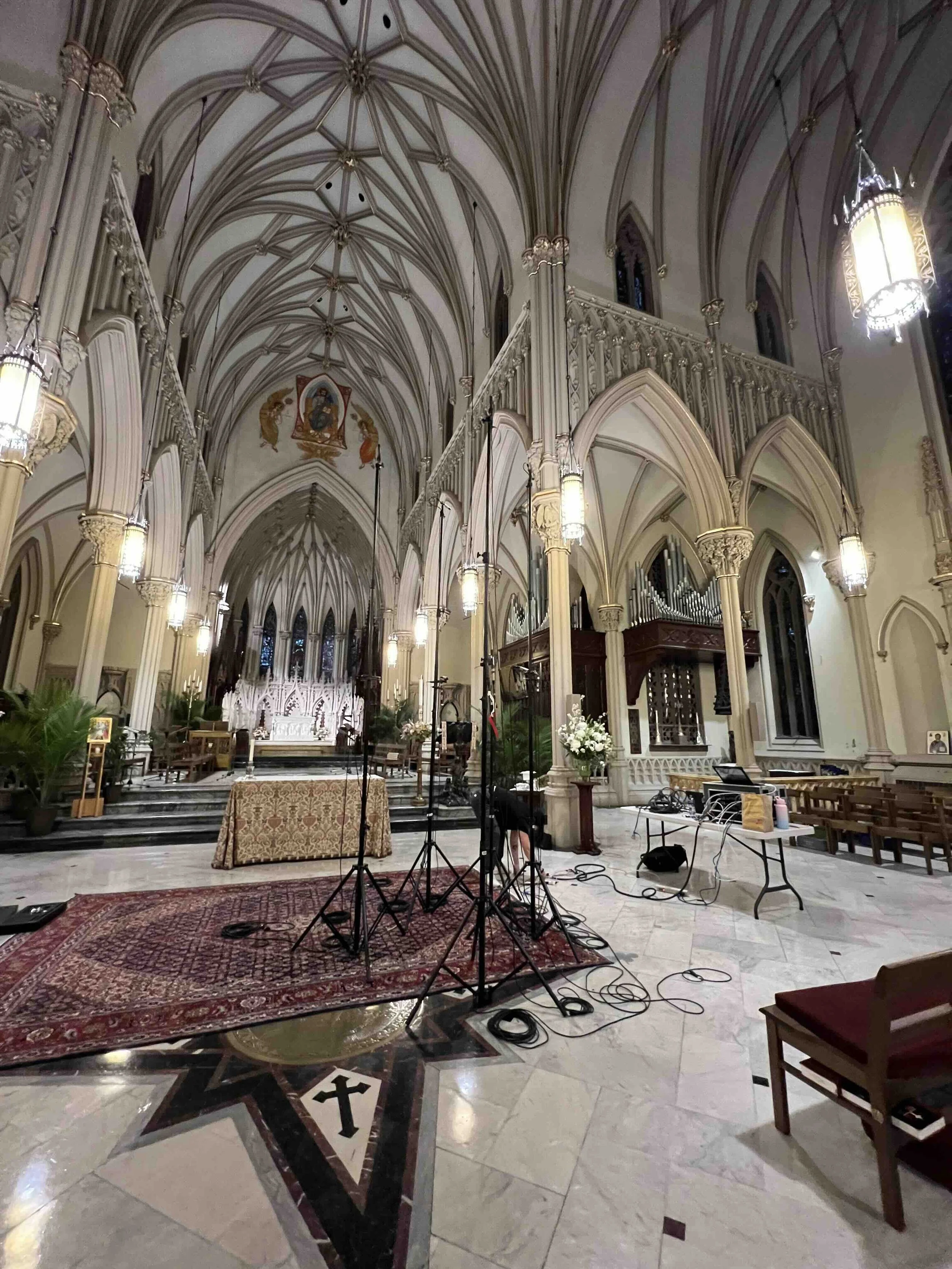
Most immersive microphone arrays assume reasonably sized point sources, especially concerning the placement of height microphones. However, the pipe organ is not often considered a reasonably sized point source. In turn, the established practices related to height microphone layer placement become unreliable in capturing a pipe organ performance for multichannel formats. The impact of height microphone layer position on perceived realism of a pipe organ recording is explored.
This publication (presented at the 157th Audio Engineering Society Convention) may be found here.
A Dolby Atmos binaural rendering of this recording is provided here, but a more in-depth comparison tool (uncompressed, including different binaural renderers and the ability to toggle between height microphone layer positions) may be found here.
(#) Binaural Objects (2024)
Audio Engineer
Indicative of other mediums within immersive audio, binaural audio (especially when captured in binaural, as opposed to rendered) has as many drawbacks as it does utilities. Of these, perhaps the largest is limited playback options, as binaural audio is often restricted to headphones and nearphones.
Given this, what options exist for creating binaural content from the ground up? Of these options, do they prioritize binaural capture, or binaural rendering? Is there a large install-base/user-base for these options, or are they relegated to fringe use-cases with the occasional update?
To properly assess the state of the art in binaural-centric content creation, a flute performance of Arthur Honegger’s Danse de la Chèvre by Jessica Luo was captured with a Neumann KU-100 in a reverberant hall. Following this, a virtual soundscape was created with accompanying instruments in the box as a means to trial the capabilities of binaural-first software options.
(#) The Carnival of the Animals Project (2022 - 2023)
Audio Engineer
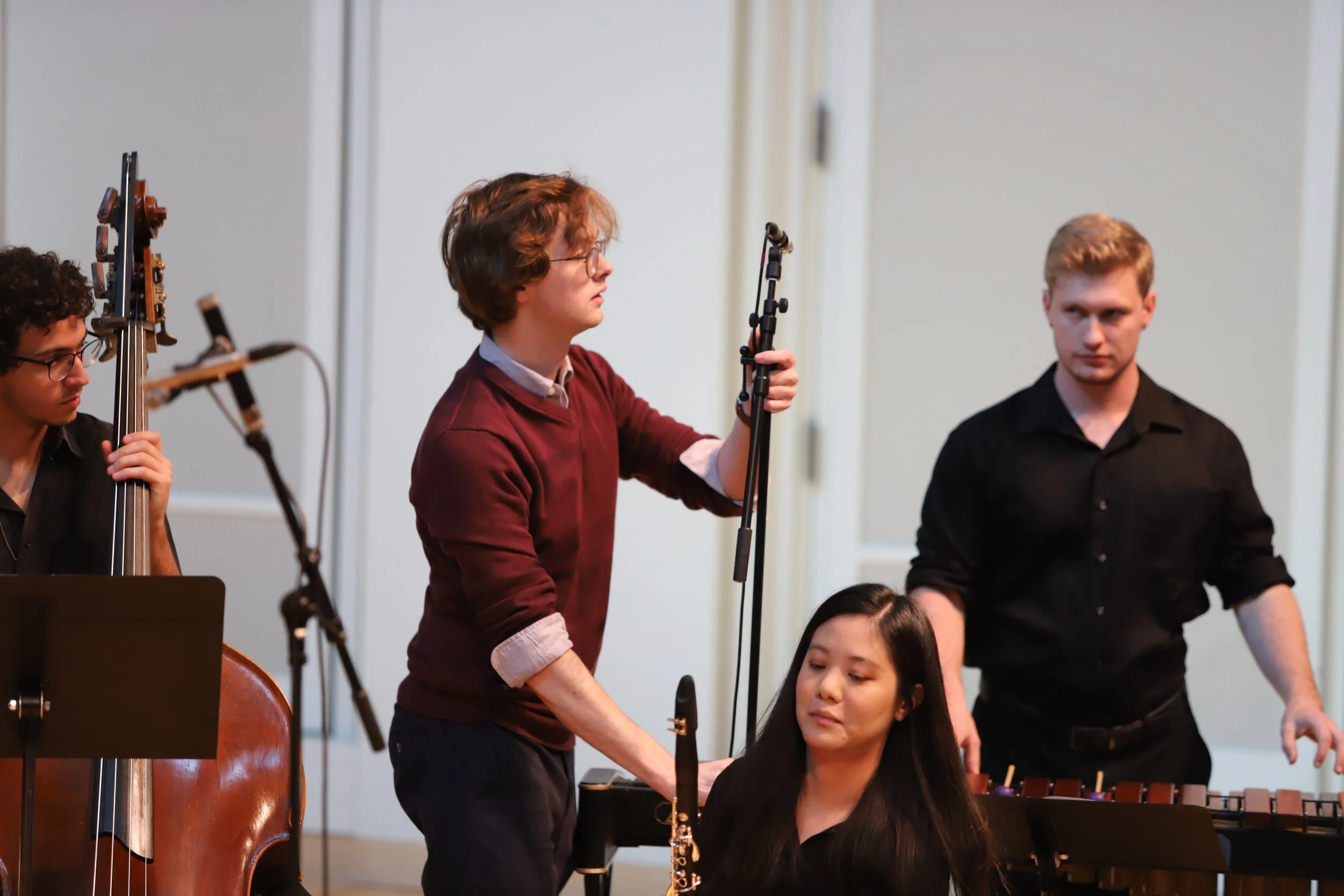
In fall of 2022, I joined this grant-funded initiative as the audio engineer to 5 recordings of selected movements from Camille Saint-Saëns’ The Carnival of the Animals, for use within a 5 part educational video series distributed to elementary schools in rural communities across Indiana.
These performance recordings took place during October of 2022 in the Jacobs School of Music Auer Hall, with accompanying educational videos filmed and edited from 2022 - 2023.
(#) Kian Ravaei, Feeling New Strength (2022)
Recording Engineer, Instructor
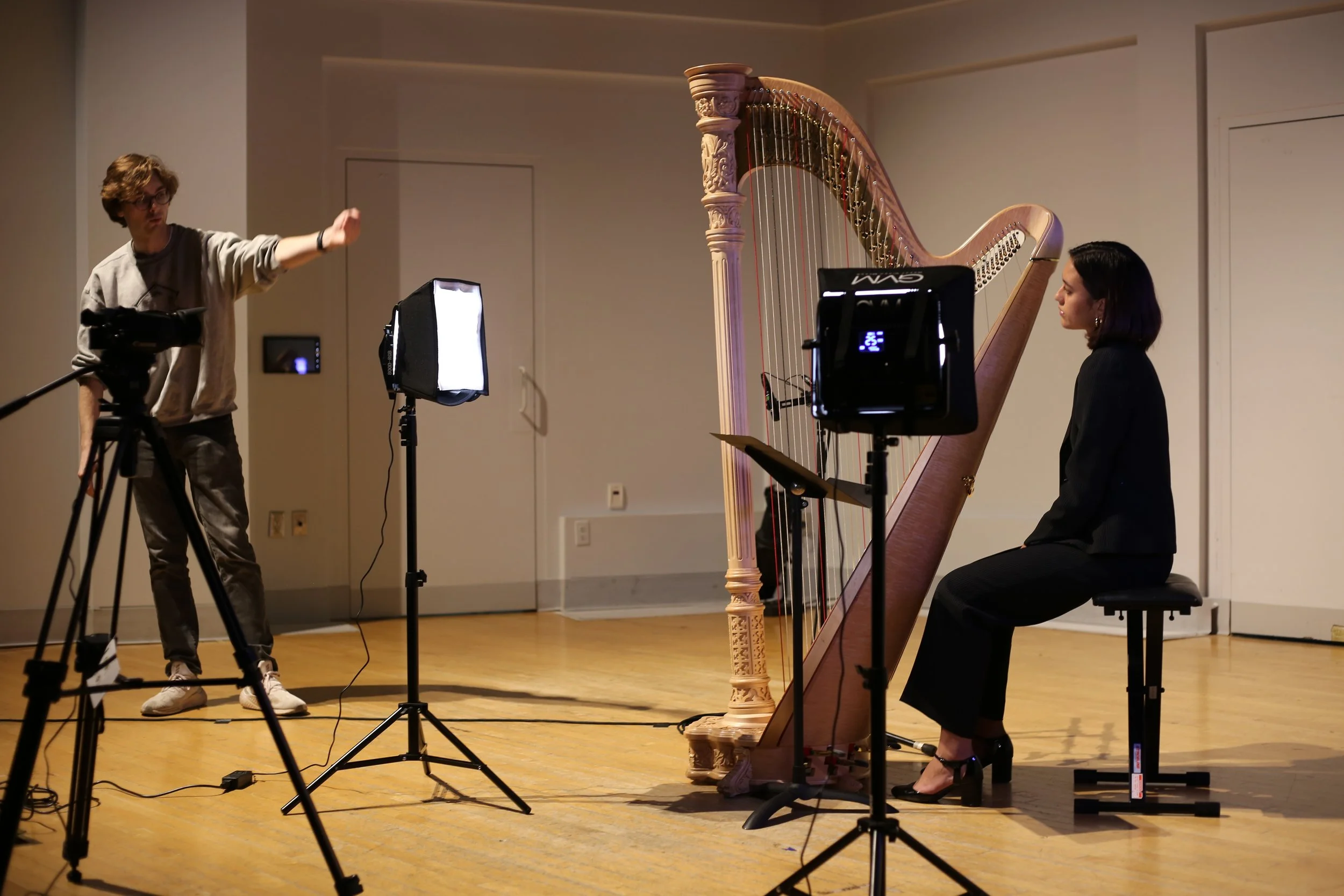
As a demonstration of methods to record large ensembles on a budget, Ravaei’s Feeling New Strength was captured with a total of four microphones: an XY stereo pair and two flank microphones. While this recording was done with a budget of around $1200, the principles discussed allowed for a budget less than half that.